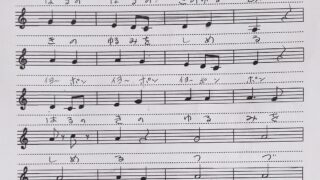
As the saying goes, “The heat and cold last until the equinox,” and in the past few days, the cold has eased considerably, making it natural (and quite naturally) for me to head outdoors.
This coming season is truly the time to “fully enjoy spring,” isn’t it?
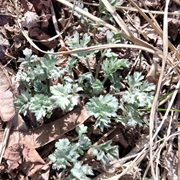
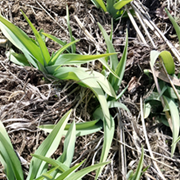
●From April to around mid-May, if you venture a little into the mountains in the Ina region, you’ll see people busily gathering wild vegetables everywhere. This is because the mountains and fields in spring are full of wild plants.
● Mugwort, Fatsia sprouts, and dandelion flowers are recommended as tempura. Bracken, ostrich fern, and Japanese parsley are good as blanched greens.
Wild onions and daylilies are delicious in “nuta”!
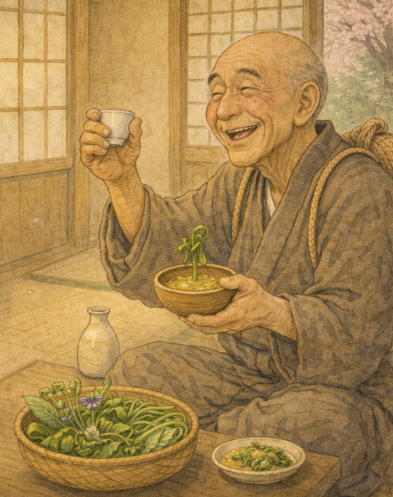
Oh! Here comes nuta. That’s right. “Nuta” (vinegared miso) is the star of tonight’s meal. Seigetsu aptly captured this in a haiku.
For Seigetsu, home-cooked dishes made with spring wild plants must have been an exceptional treat.
Especially with “vinegar miso,” the unique sliminess, bitterness, and crisp texture of each ingredient intertwined in his mouth with the alcohol, and I imagine it brought Seigetsu, who loved alcohol, an indescribable feeling of happiness.
Even though it’s a simple cooking method of mixing vinegar, miso, and sugar (mirin) in a sauce, the true charm of vinegar miso lies in the flavor that only wild plants, full of their natural flavor, can provide.
Therefore, this haiku must be Seigetsu’s true feelings. “There’s no grass that doesn’t go well with vinegar miso.”
…Why?
Vinegar miso is a cooking method that makes even grasses that are actually difficult to eat easy to eat, thanks to the combination of the “crisp sharpness of vinegar” and the “enveloping mildness of miso.”Seigetsu claims that anything can be made into vinegared miso, but she likely understood that this was only possible because it was vinegared miso.
【Enten's Interpretation】 ●For Seigetsu, who had been oppressed by the winter cold, “the very warmth of spring is a season that loosens the body, invigorates the mind, and expands a worldview full of hope.” ●That’s why everything he saw became endearing, and the overwhelming emotion he felt, which he wanted to embrace, was expressed in the familiar home-cooked dish of “vinegared miso.”
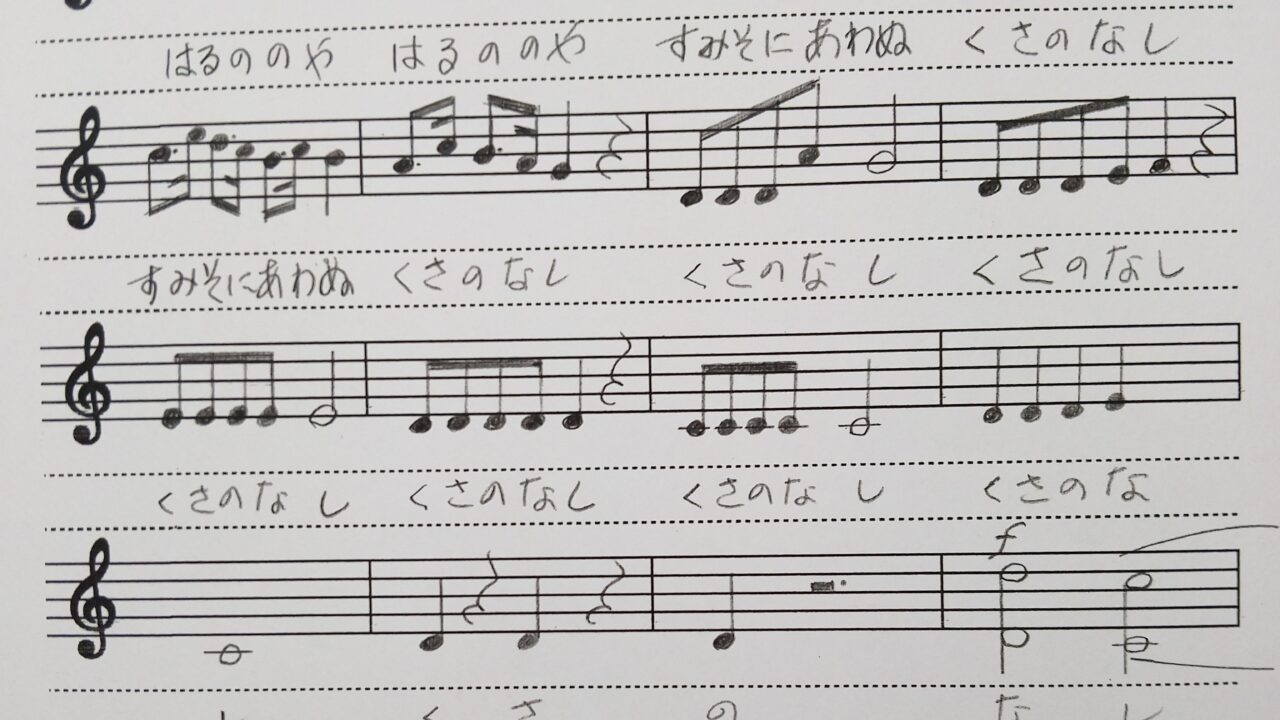
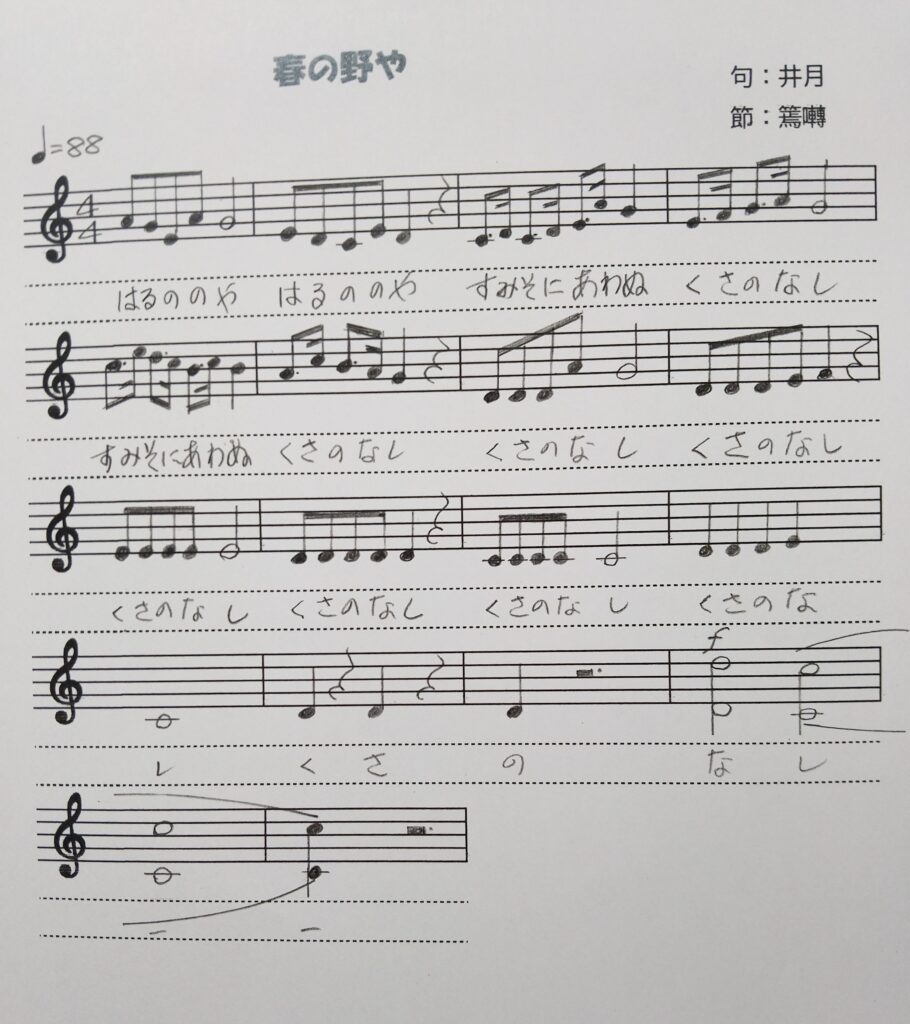
◇Once I started picking, I got so engrossed that I even crawled on the ground to pick some things. ◇I tried to express that joyful feeling in measures 3 through 6. ◇From measure 7 onwards, I wondered what would happen if I made vinegared miso with all the harvested ingredients, just as Seigetsu insisted (= there is no weed that doesn’t go well with vinegared miso), and I wanted to taste it to my heart’s content. And that’s how I ended up with this sticky melody…
No matter how delicious it is, “your stomach is part of your body,” so let’s enjoy it in moderation.
Like vinegared miso, sometimes being “sharp!” and sometimes “mellow,” being able to adapt to the situation will surely help you get along well in life. (^▽^)/
Now, the next melody score will be
“Sakura ni mo Tsuki ni mo” (Cherry Blossoms and the Moon)
The harsh winter is finally over, and the cherry blossoms are in full bloom across the Japanese archipelago. The only thing I’m worried about is the rain.
Every year, I see the unfortunate sight of the rain scattering the beautifully bloomed flowers, so I’m concerned.
April 1st, 2026 (Wed)
About this site
○The guide for this blog is Enten(篶囀). ○This blog primarily features haiku by Seigetsu(井月). ○I’m humming the haiku I introduced, with a melody added to it. ○The author of this blog is Kakigui Houryu.(柿食法隆)